
Birding
Birds Along the Connecticut River Waterfront
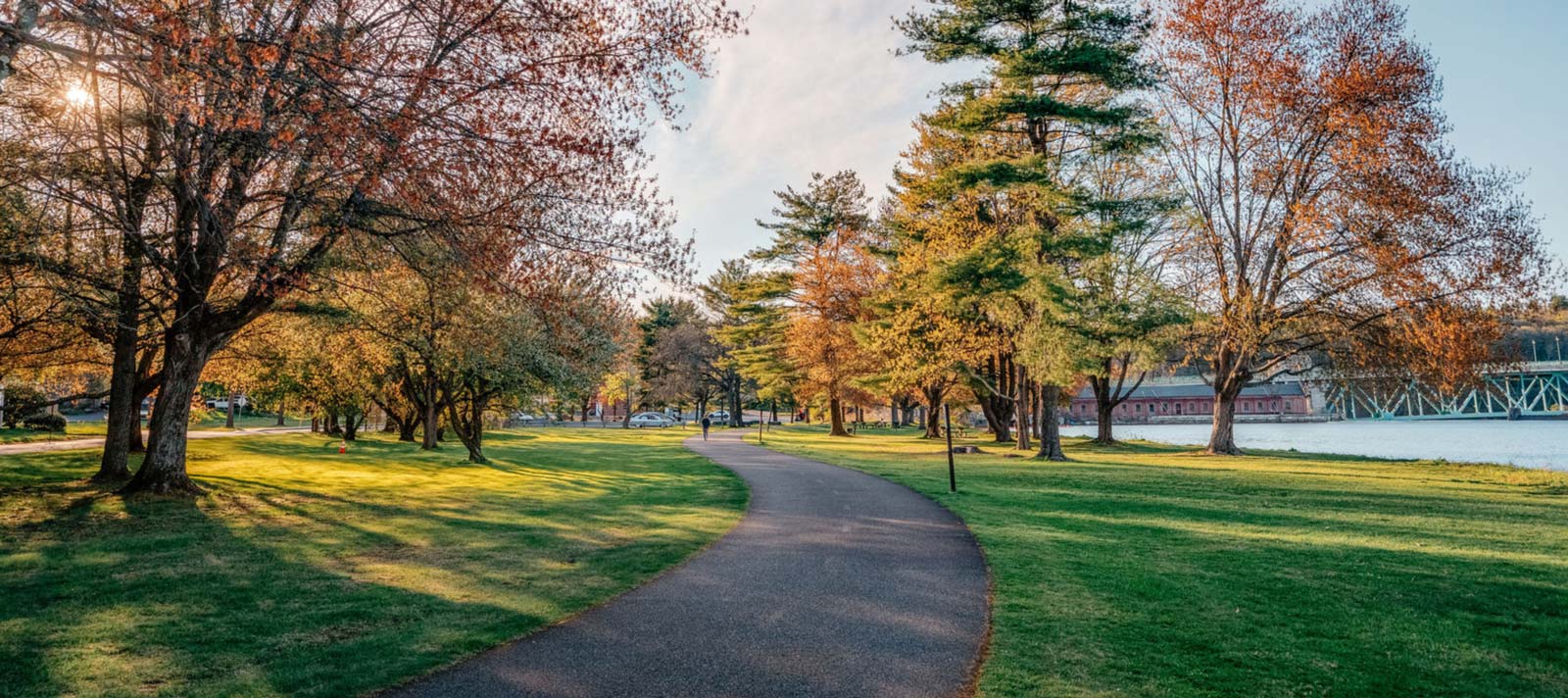
The Connecticut River is a critical and dynamic ecosystem for birds year-round. From year-round residents using its rich mosaic of water and upland habitats, to millions of migrants passing overhead, to species that breed or spend the winter along its shores, the river supports life cycles that span the hemisphere.
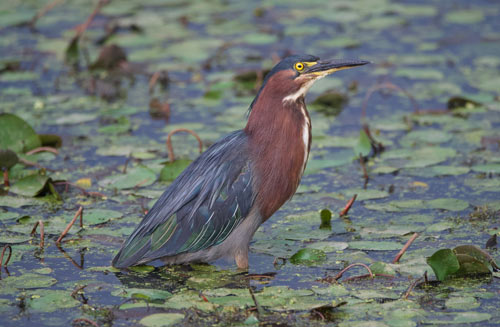
Spring
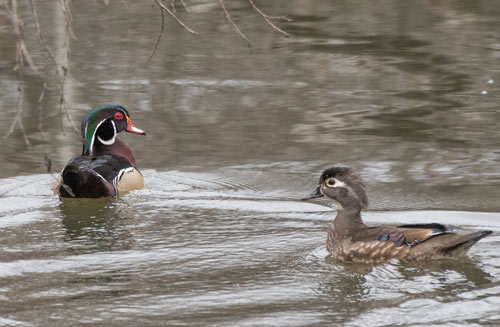
In spring, wet meadows echo with the “peent” calls and spiraling sky dance of the American Woodcock at dusk, signaling the season’s return. Across agricultural fields, Killdeer call sharply as they stake out open ground, while along thawing ponds and back marshes, Red-winged Blackbirds proclaim territory with flashing red shoulder patches. Soon, Wood Ducks gleam with iridescent plumage, swallows sweep low after insects, and Ospreys reclaim the river, plunging for fish. As spring builds to a crescendo, songbirds—including Neotropical migrants such as flycatchers, vireos, tanagers, orioles, and warblers—arrive from tropical forests, brightening treetops with color and song.
Summer
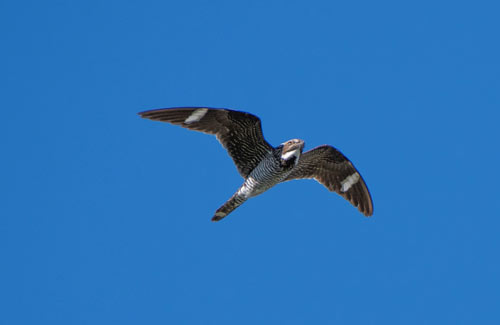
Summer is a season of growth and intensity. Breeding birds fill forests, fields, and wetlands with song and activity, adults shuttling constantly between nest and thicket to feed young, while fledglings test new wings along woodland edges and riverbanks. Ruby-throated Hummingbirds hover at jewel-bright blossoms, linking gardens and wildflower patches as they sip nectar and defend tiny territories. Many birds begin to molt worn feathers while taking advantage of abundant food. By late summer, migration stirs: shorebirds and other early southbound travelers can move through as early as July, and Common Nighthawks gather in foraging flocks of hundreds to thousands, sweeping the skies as summer draws to a close.
Fall
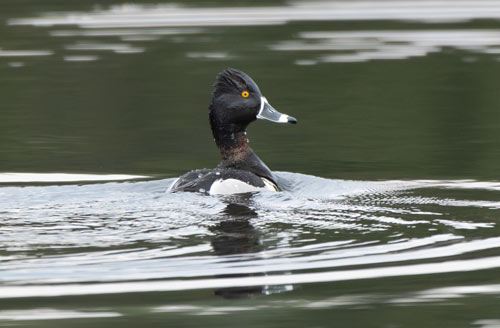
As the growing season slows and the air cools, a great southbound movement sweeps through the region. Songbirds migrate largely under the cover of darkness, their faint flight calls drifting down from the night sky as they navigate by stars. Some species slip away undetected, while Broad-winged Hawks and other raptors spiral on rising thermals during the day, drawing eyes skyward at local hawkwatches as thousands glide overhead. Cool mornings reveal fresh arrivals in thickets and along shorelines, a reminder that the river corridor is part of a vast hemispheric journey. As leaves drop and vegetation browns, sparrows fill fallow fields and thickets, while dabbling and diving ducks move through in growing numbers, taking advantage of open water before backwaters freeze.
Winter
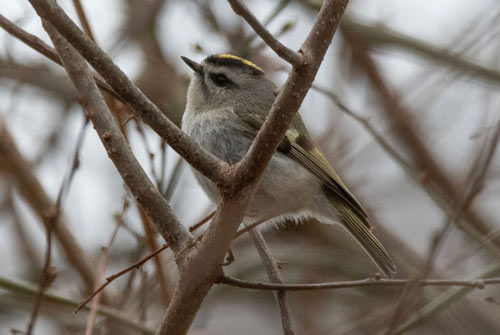
Winter brings a quieter, yet rewarding, chapter along the waterfront. Familiar year-round residents-woodpeckers, jays, chickadees, titmice, and cardinals remain active in leafless trees and thickets. Tiny Golden-crowned Kinglets, weighing only about two pennies, survive by gleaning overwintering insects and eggs. Irruptive finches, such as grosbeaks, siskins, and crossbills, arrive unpredictably in search of seeds and fruit, while winter owls patrol silently. Hardy waterfowl glide across open stretches of river, and raptors perch on exposed branches, offering memorable sightings. Snow and ice transform the landscape, highlighting the rhythms of survival and adaptation. Along the Connecticut River, winter unveils a living gallery of birdlife, inviting observation, discovery, and wonder.
Birding University
Birding University helps everyone become a better birder—through discovery, conservation, and community. Whether you’re spotting your first warbler or tracking migrating hawks, we provide courses, resources, and guidance to meet you where you are. Grounded in curiosity, inclusion, and respect, we break down barriers so every birder can learn, grow, and celebrate the birds around us.
Join the Birding University community at Substack.
JOIN THE WEEKLY NEWSLETTER
We send out a list of events every week to help keep you informed.
Subscribe